15 Topics
 5 Days
Programme Overview
Training Description
Farmers and agricultural producers
Agricultural extension officers and advisors
Agricultural researchers and scientists
Environmental consultants and NGOs
Policymakers and government officials
Sustainability officers
Land managers and conservationists
Rural development practitioners
Seed savers and breeders
Agroecology practitioners
Climate change adaptation specialists
Food security analysts
Students and enthusiasts of sustainable agriculture
Session Objectives
- Understand the principles and benefits of agro-biodiversity. Implement strategies for enhancing crop diversity in farming systems. Utilize livestock diversity for resilient agricultural production. Understand the role of beneficial organisms in agro-biodiversity. Implement techniques for managing and conserving genetic resources. Analyze the impact of agro-biodiversity on ecosystem services.
About the Course
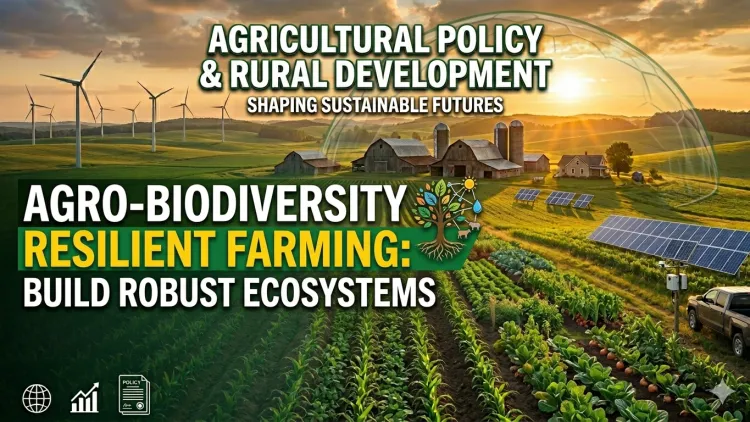
Agro-Biodiversity and Resilient Farming Systems empowers farmers, agricultural professionals, and researchers to enhance agricultural resilience through biodiversity. This course focuses on understanding the ecological principles of agro-biodiversity, implementing diverse farming practices, and building robust ecosystems that withstand environmental stresses. Participants will learn to integrate diverse crops, livestock, and beneficial organisms for sustainable production. By mastering agro-biodiversity, professionals can enhance food security, improve ecosystem services, and create resilient farming systems.
Curriculum & Topics
15 Topics | 5 Days
-
 Subtopic 1.1:
Principles and importance of agro-biodiversity.
Subtopic 1.1:
Principles and importance of agro-biodiversity.
-
Subtopic 1.2:
Understanding ecological functions of biodiversity in agriculture.
-
Subtopic 1.3:
Benefits of diverse agroecosystems.
-
Subtopic 1.4:
Historical context and evolution of agro-biodiversity.
-
Subtopic 2.1:
Strategies for diversifying cropping systems.
-
Subtopic 2.2:
Implementing intercropping and polycultures.
-
Subtopic 2.3:
Utilizing crop rotations and successions.
-
Subtopic 2.4:
Selecting diverse crop varieties and landraces.
-
Subtopic 3.1:
Role of livestock diversity in agroecosystems.
-
Subtopic 3.2:
Integrating different livestock species and breeds.
-
Subtopic 3.3:
Managing livestock for ecosystem services.
-
Subtopic 3.4:
Utilizing traditional livestock management practices.
-
Subtopic 4.1:
Understanding the role of pollinators and predators.
-
Subtopic 4.2:
Enhancing soil microbial diversity.
-
Subtopic 4.3:
Utilizing biological control agents.
-
Subtopic 4.4:
Creating habitats for beneficial organisms.
-
Subtopic 5.1:
Techniques for conserving crop and livestock genetic resources.
-
Subtopic 5.2:
Implementing on-farm conservation strategies.
-
Subtopic 5.3:
Managing seed banks and gene banks.
-
Subtopic 5.4:
Utilizing participatory plant breeding.
-
Subtopic 6.1:
Analyzing the impact of biodiversity on soil fertility.
-
Subtopic 6.2:
Enhancing water regulation and purification.
-
Subtopic 6.3:
Promoting pest and disease regulation.
-
Subtopic 6.4:
Supporting pollination and carbon sequestration.
-
Subtopic 7.1:
Understanding the role of indigenous knowledge in agro-biodiversity.
-
Subtopic 7.2:
Utilizing traditional farming practices.
-
Subtopic 7.3:
Integrating local ecological knowledge.
-
Subtopic 7.4:
Promoting participatory research and knowledge sharing.
-
Subtopic 8.1:
Building climate resilience through diverse agroecosystems.
-
Subtopic 8.2:
Utilizing climate-adapted crop and livestock varieties.
-
Subtopic 8.3:
Enhancing ecosystem resilience to climate extremes.
-
Subtopic 8.4:
Promoting carbon sequestration and reducing emissions.
-
Subtopic 9.1:
Techniques for assessing biodiversity in agroecosystems.
-
Subtopic 9.2:
Monitoring ecological and economic indicators.
-
Subtopic 9.3:
Utilizing participatory monitoring methods.
-
Subtopic 9.4:
Evaluating the impact of agro-biodiversity practices.
-
Subtopic 10.1:
Understanding the role of seed systems in biodiversity.
-
Subtopic 10.2:
Implementing community seed banks and seed saving initiatives.
-
Subtopic 10.3:
Promoting farmer-managed seed systems.
-
Subtopic 10.4:
Utilizing participatory variety selection.
-
Subtopic 11.1:
Developing communication and extension strategies.
-
Subtopic 11.2:
Building farmer networks and knowledge sharing platforms.
-
Subtopic 11.3:
Implementing participatory approaches.
-
Subtopic 11.4:
Scaling up successful agro-biodiversity models.
-
Subtopic 12.1:
Analyzing the economic benefits of diverse agroecosystems.
-
Subtopic 12.2:
Identifying market opportunities for agro-biodiversity products.
-
Subtopic 12.3:
Developing business models for agro-biodiversity enterprises.
-
Subtopic 12.4:
Accessing financing and investment.
-
Subtopic 13.1:
Integrating diverse components for system resilience.
-
Subtopic 13.2:
Implementing adaptive management strategies.
-
Subtopic 13.3:
Building social and ecological resilience.
-
Subtopic 13.4:
Utilizing holistic approaches to farming systems.
-
Subtopic 14.1:
Analyzing real-world examples of diverse agroecosystems.
-
Subtopic 14.2:
Highlighting best practices and innovative techniques.
-
Subtopic 14.3:
Documenting ecological and economic impacts.
-
Subtopic 14.4:
Farmer testimonials and field visits.
-
Subtopic 15.1:
Exploring emerging trends and innovations.
-
Subtopic 15.2:
Integrating new technologies and research findings.
-
Subtopic 15.3:
Adapting to evolving environmental and market conditions.
-
Subtopic 15.4:
Building sustainable and resilient food systems through agro-biodiversity.